An Unprecedented Number of Light Building Methods, Works, and Concepts, Michael Millevolte. 2026
1.] The Question of Originality:
Artistic originality is frequently evaluated through visual appearance, historical influence, exhibition records, and the development of recognizable styles. However, kinetic light sculpture introduces another important medium and specifically with my practice of invention and application of distinct luminous optical building methods and concepts.
A specific method, work, build or concept, is not simply an individual sculpture, composition, or variation in appearance. It is an identifiable system of physical embodiments, mechanical embodments and processes, required materials, and luminous optical interactions employed to generate a particular method of visual phenomena.
An artist may create hundreds of notable compositions through one fundamental practice or method. Another may develop numerous independent itinerarations, each exploring different relationships between light, motion, subject matter, materials, and human visual perception. These represent different forms of artistic achievement.
2.] The Grand Investigation. Perform a Widespread Search:
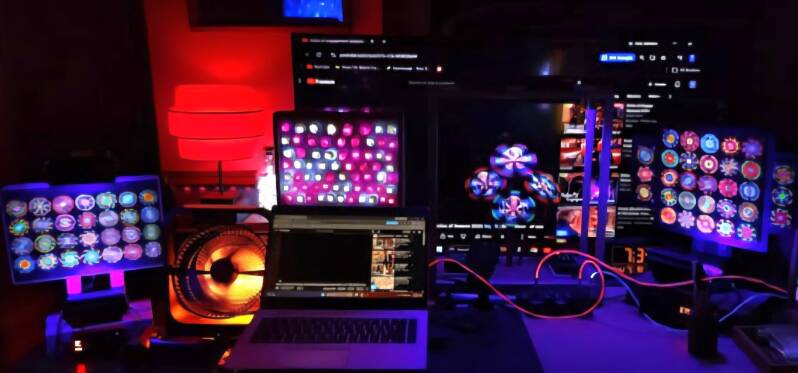
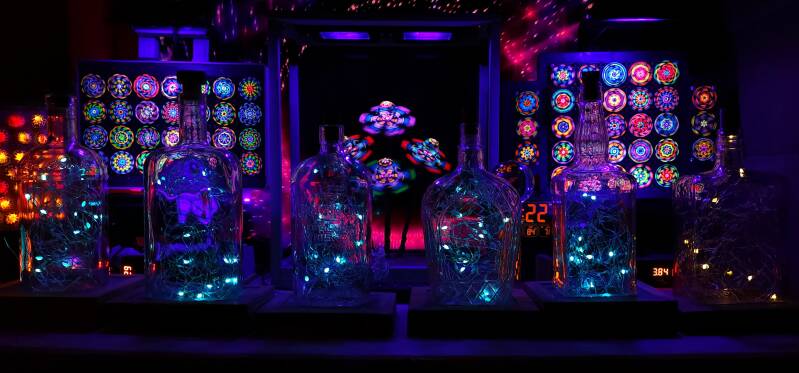
My 4 decades long career can be highlighted by my master index of 40 catalogued luminous sculptural works, builds, installations and distinct concepts, including two inventions documented United States patents, Nos. 5,704,145 and 6,018,899.
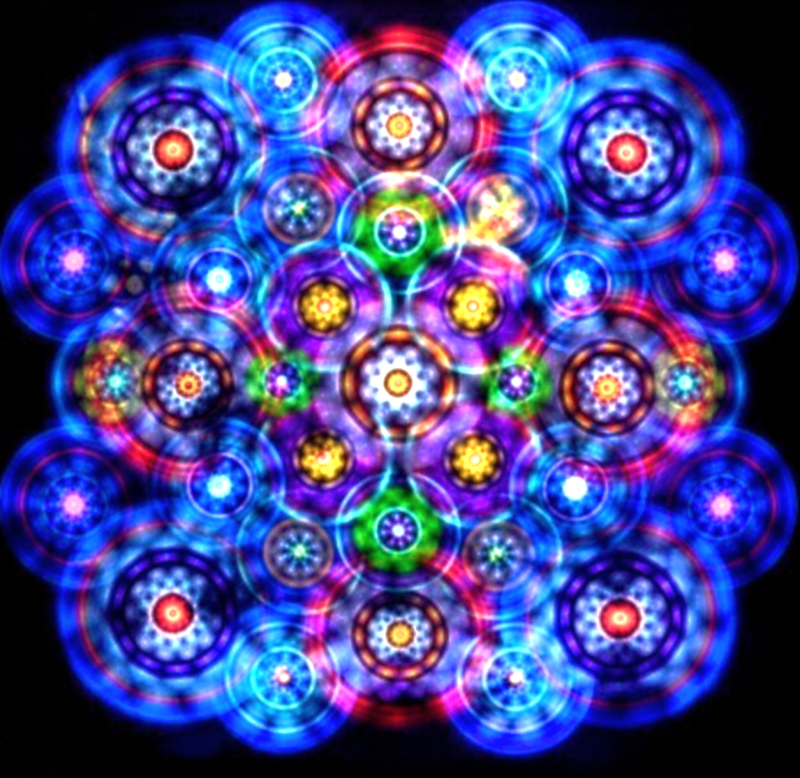
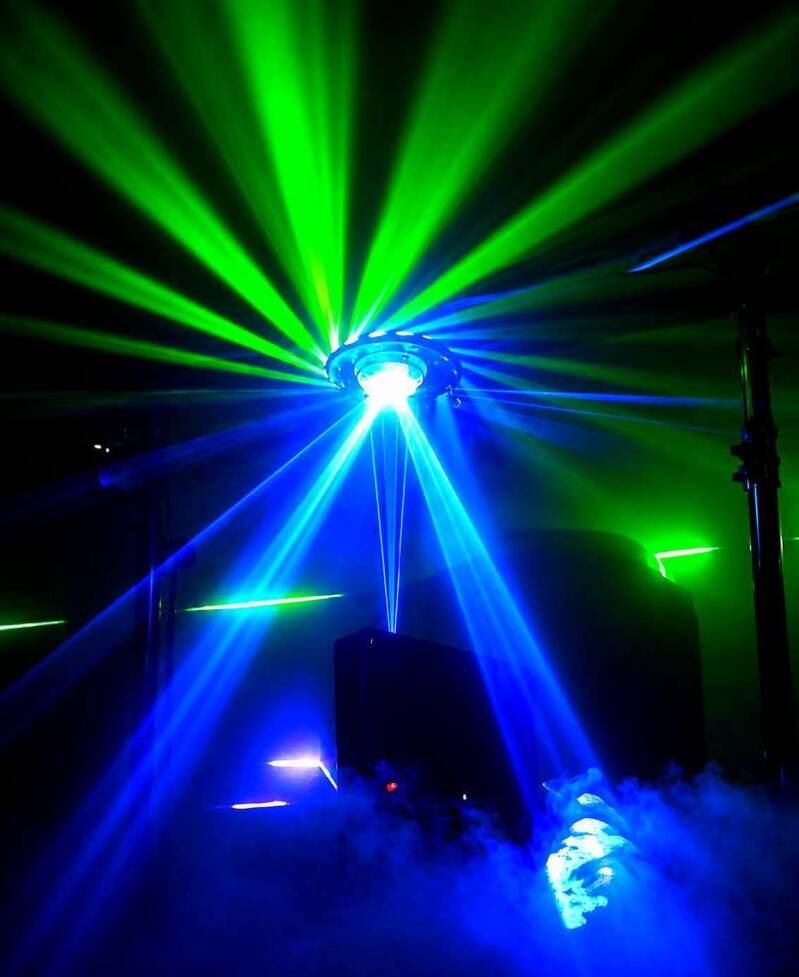
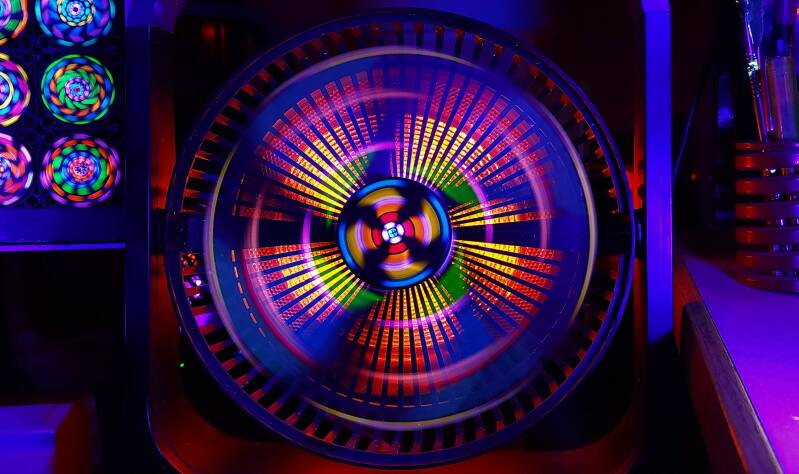
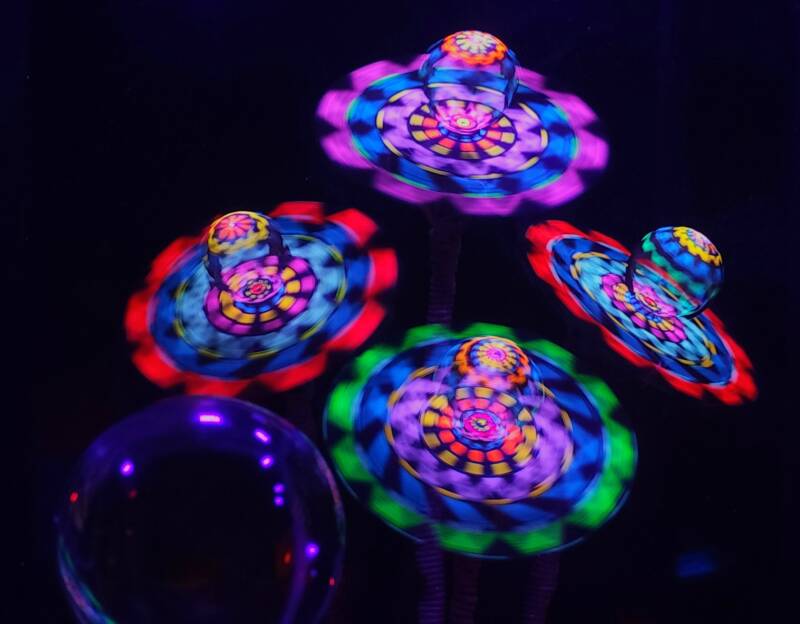
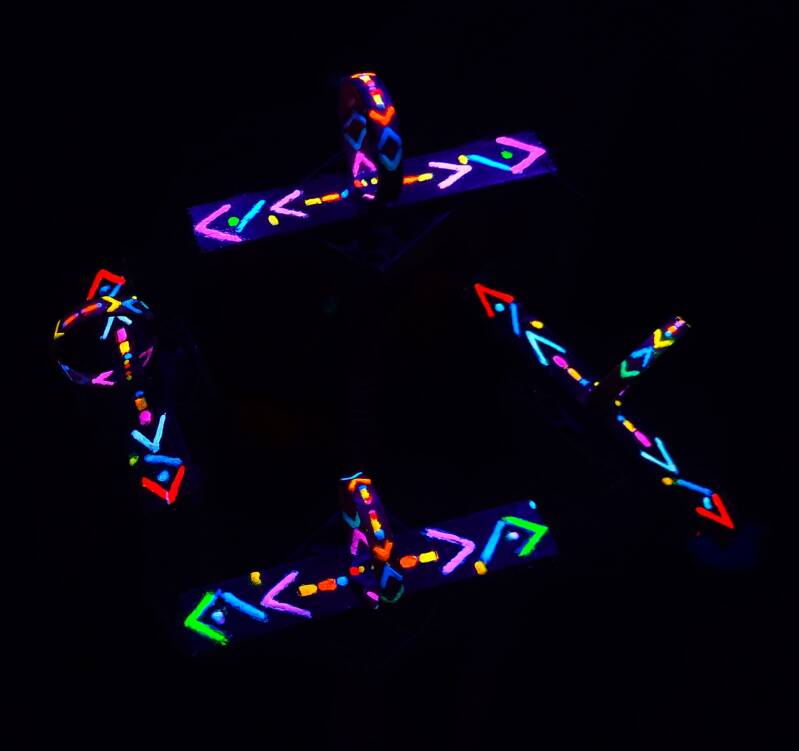
My creations encompass multiple approaches to generating and manipulating luminous optical phenomena, including high-speed fluorescent geometric rotation, persistence-of-vision effects, mechanical and reflective light modulation, coherent laser trajectories, projection-based interactions, programmable LED matrices, spherical optical arrays, and developing applications of photoluminescent decay.
These methods, works, builds, and concepts are not adequately characterized as variations of a single visual technique. Individual works may share components or underlying physical principles while introducing substantially different optical arrangements, effects, operating mechanisms, perceptual and temporal behaviors. The significance of my master index lies in its sustained commitment and dedication to creating a diverse variety of methods for generating luminous optical experiences.
3.] A Select Historical Comparative Peer Examination:
A comparative investigation of my works considered alongside several historically significant figures creating kinetic light and luminous builds.
A.) Thomas Wilfred: Developed Lumia, a sophisticated approach to mechanically generated luminous compositions. His investigations established important precedents for light as an independent artistic medium, employing changing colors, forms, and mechanical movement.
B.) Nicolas Schöffer: Developed spatially dynamic, luminous, temporal, and cybernetic artistic systems incorporating programmed movement, illumination, and environmental responsiveness.
C.) Otto Piene: Investigated projected light, moving illumination, smoke and fire processes, and illuminated environmental installations.
D.) Julio Le Parc: Explored optical pattern relationships, mechanical movement, reflected and projected light, and perceptual interactions involving the observer.
Each artist made substantial contributions to the historical development of kinetic and luminous optical art. However, the comparative examples examined did not establish a documented range of distinct optical methodologies equivalent to the breadth represented in my catalogued creations and concepts. This finding concerns the evidence identified during the comparison, rather than an exhaustive accounting of every historical practitioner.
4.] Methodological Diversity Versus Artistic Production: The distinction between the quantity of artworks and the diversity of methodologies is fundamental. Producing numerous compositions through an established mechanism demonstrates artistic development within that system.
Developing a different mechanism capable of generating a distinct class of luminous optical behavior represents an additional methodological investigation. Neither accomplishment automatically establishes greater artistic merit. They measure different dimensions of creative achievement.
My work invites evaluation through the number, originality, and technical diversity of the luminoius optical systems I have investigated throughout my career.
5.] The Importance of Interacting Variables: Methodological innovation is not determined solely by the number of various technologies employed. The relationships between variables are equally important.
Within a single luminous optomechanical sculpture, visual behavior may depend upon rotational velocity, geometric configuration, spatial frequency, radial position, illumination characteristics, material properties, persistence of vision, and the interaction of multiple moving components. Changing one variable may alter the behavior of several others.
My proposed Cosmic Weather Vane illustrates this approach through the coordinated investigation of wind-driven motion, variable rotational inertia, geometric pattern relationships, and calibrated visual indications of approximate wind speed.
My developing Luminous Kinetic Decay investigations introduce additional relationships involving excitation timing, phosphorescent persistence, material decay characteristics, and overlapping luminous geometries. The underlying concept of the luminous behavior I intend to produce is to mimic raindrops and ripples upon water puddles.
These examples demonstrate how established scientific principles can support the development of new artistic methodologies.
6.] Findings of the Comparative Investigation: The historical examples examined demonstrate that multiple artists developed important and sometimes substantially different methods of manipulating light and motion. Nevertheless, the investigation did not identify a comparable documented body of methodological diversity matching the range of optical investigations represented in my work.
The comparison therefore did not refute the proposition that my methodological contributions may be unprecedented in their breadth within kinetic light sculpture.
7.] A Documented Body of Optical Research: My artistic contributions can be examined through surviving sculptures, historical photographs, technical descriptions, videos, issued patents, and my evolving catalogue of works.
These materials provide opportunities to investigate not only the appearance of individual sculptures but also the underlying mechanisms responsible for their optical behavior. The resulting historical question extends beyond whether a particular sculpture was visually innovative.
It concerns the extent to which I have independently developed and applied diverse methodologies for manipulating light, motion, geometry, and perception across a sustained career. The preliminary comparison found no equivalent example among the historical artists examined.
The broader significance of my contributions remains an appropriate subject for independent art-historical and technical investigation.
8.] Conclusion: The history of kinetic light art contains numerous pioneering achievements, each deserving recognition within its historical and technical context. My contribution presents a distinctive proposition: that the sustained development of diverse optical methodologies constitutes an important form of artistic innovation in its own right.
My forty-work master index provides a substantial catalog for examining that question. The comparative investigation conducted to date has not identified a historical counterpart demonstrating an equivalent breadth of distinct luminous optical approaches, works, builds or concepts.
The underlying question is not simply how many artworks an artist has created, but how many different ways that artist has discovered to make a luminous creation of distinction.
© 2026 Michael Millevolte. All rights reserved.